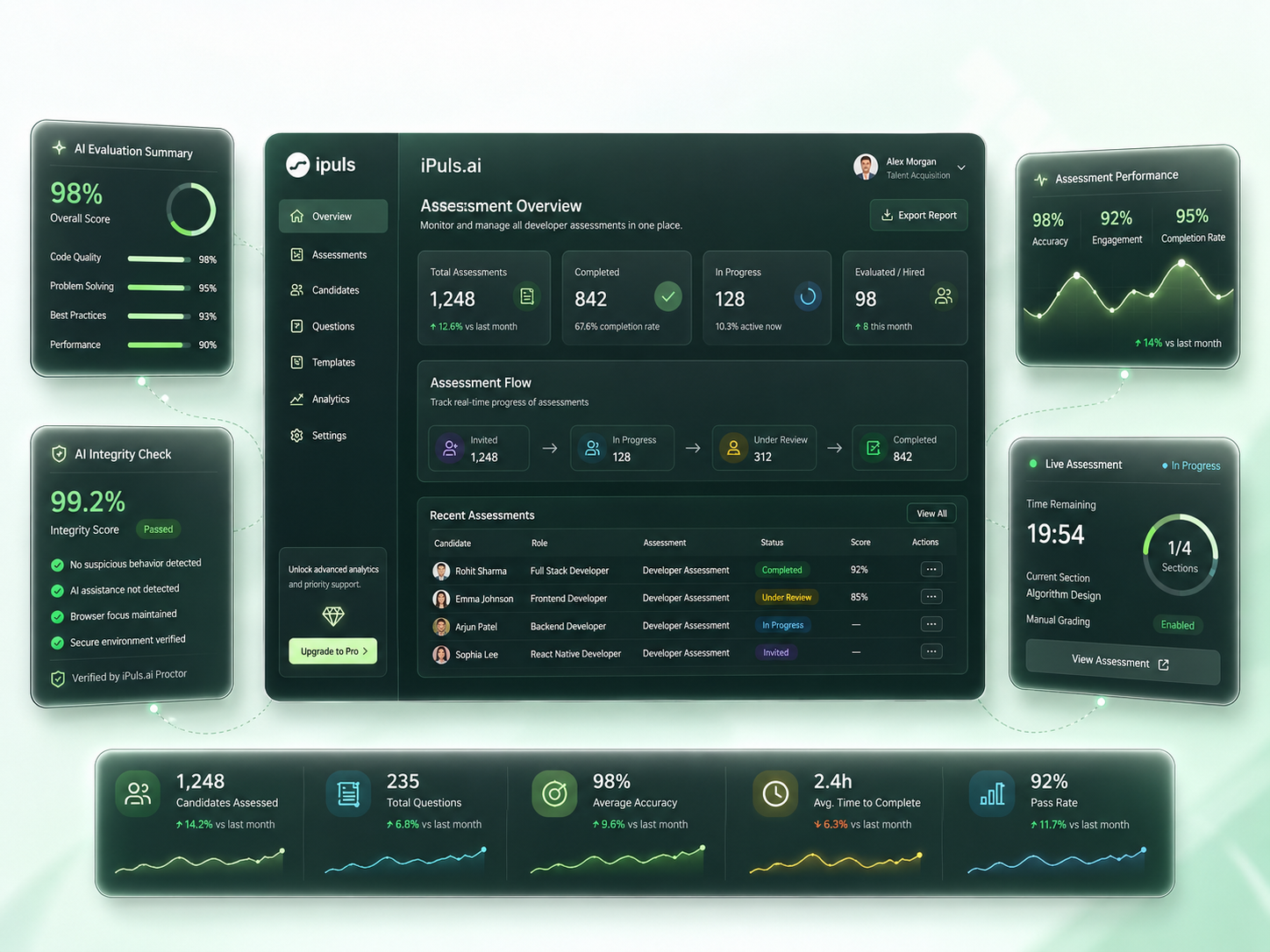
Many onboarding and training programs rely on checklist completion to declare a candidate or new hire "ready." However, checking a box on a training course does not guarantee that someone can execute tasks in a production environment under pressure.
Moving from Knowledge to Execution
Traditional training focus on knowledge acquisition: reading documentation, watching tutorial videos, and taking quizzes. This is a passive form of learning. True readiness requires execution—interacting with real tools, writing code, and resolving system issues in simulated environments.
A proof-based readiness program tests new hires in sandboxed environments that mimic the company's actual setup. Instead of asking if they understand the deployment pipeline, the system asks them to deploy a test service, troubleshoot a failed build, and fix a configurations error.
The Four Pillars of Job Readiness
- Knowledge: Understanding the domain, core business terms, and team policies.
- Execution: The practical ability to operate tools, write code, and fix bugs.
- Communication: Documenting changes, writing clear pull requests, and communicating progress to stakeholders.
- Trust and Security: Adhering to security protocols, credential hygiene, and compliance guidelines.
Reducing Time-to-Productivity
By measuring readiness through sandbox execution, teams can identify specific gaps before a developer handles live customer workloads. This prevents costly production incidents, reduces the onboarding burden on senior team members, and lowers the overall time-to-productivity for new hires.